 A Day in the Life of a Diary Farmer
I will never forget my first experience of working on a farm. It was a cold December morning and I had agreed to help out a life long Dairy farmer that I knew as he was short staffed one day. This gentleman was in his 60’s, slim and very unassuming in stature so i figured id be able to easily keep up. The list of jobs we had to do on this day were as follows, de-horn 10 bullocks, dig 30 holes for fence posts and concrete two pads in the farmers stables.
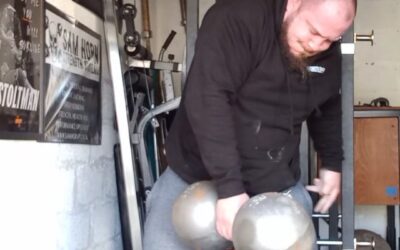
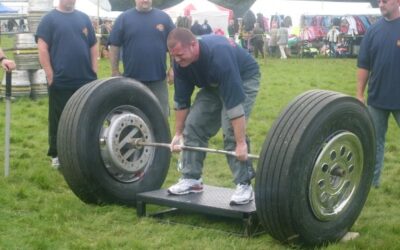
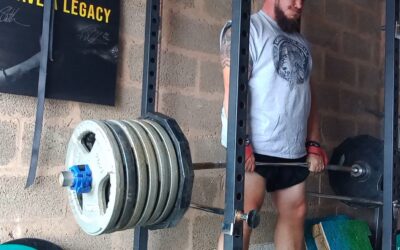
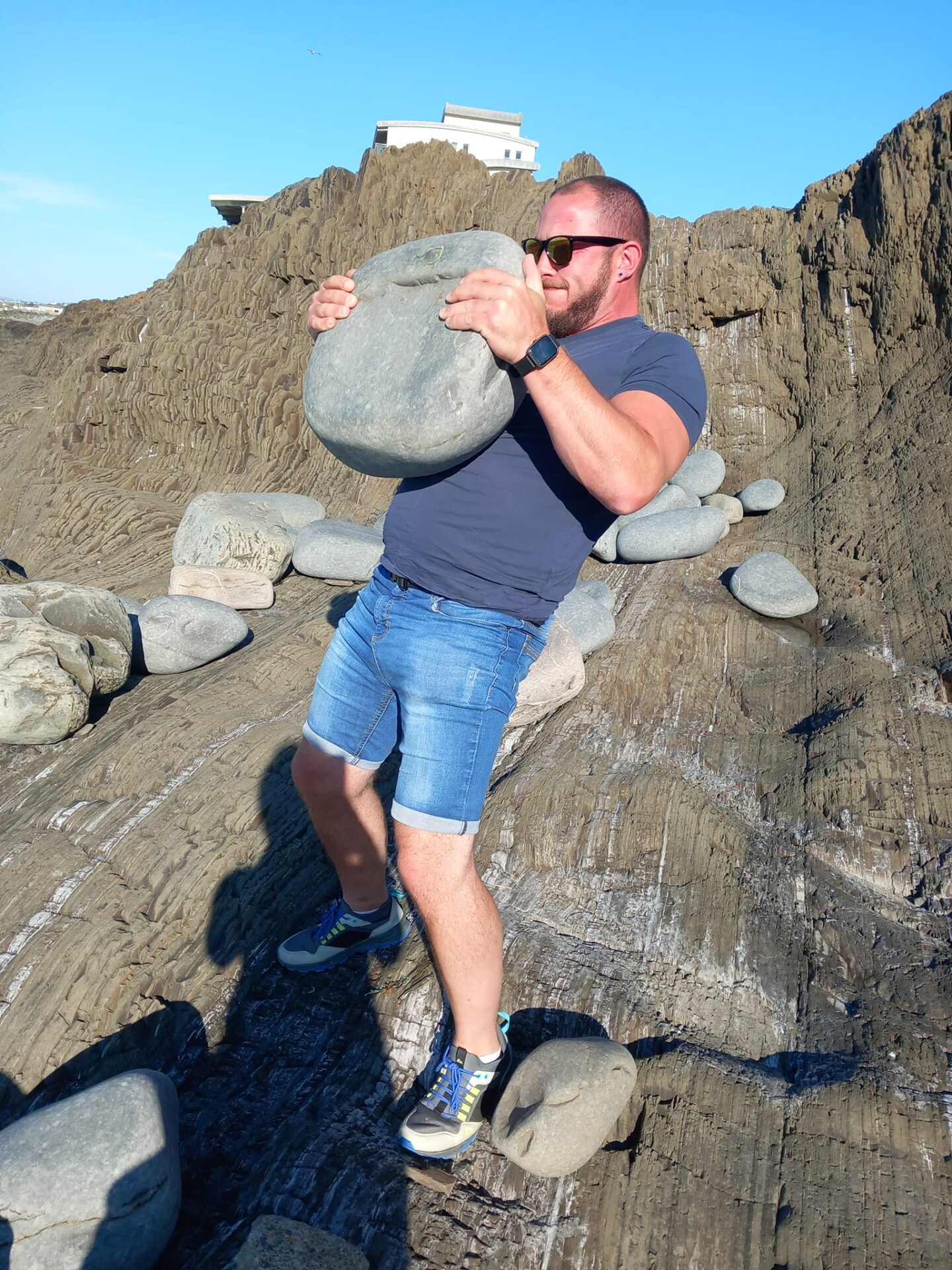
“Easy enough” I thought as I had experience working on building sites over the years as well as training and competing in strongman for around 6 years at this point so i thought I was well equipped for a solid days graft.
What happened next has stayed with me till this day as it was by far the hardest physically demanding days of my life.
First was the bullocks, they don’t look so big compared to their adult counterparts but they are ridiculously strong and stubborn. My role was to catch one at a time in the pen, to then hold them steady so the farmer could anesthetize, cut, and cauterize the horns to stop them from growing too big. He assured me it didn’t hurt the animals but by the end of it i was in a world of hurt. The isometric contraction in my legs and arms trying to hold these animals still became unbearable, by the 4th one i was already exhausted and felt like i was swimming in my head.
This sexagenarian was manhandling this beasts with ease all whilst talking to them and telling me jokes. The whole ordeal lasted around 2 hours and I was spent, physically and emotionally.
With no time to rest and regather my thoughts we were onto the next job, digging the holes ready for fencing in the coming days. As an “old school” farmer he didn’t believe in using machinery for something a human could do so between us we had to dig the 30 holes. Ordinarily this type of manual labor is intensive on its own, let alone after the 2 hour “warm up” i had just faced. My back, hands, traps and legs were screaming at me with every lift of the post shovel to stop and by the end the farmer was digging two holes to my one.
He showed some mercy on me after we had finished digging and we stopped for lunch. Looking back that was probably worse for me as when it was time to get back to work i was cramping in muscles I didn’t know existed and my legs felt like lead.
Whether the farmer enjoyed seeing me in pain or it was just bad luck but the cement mixer had broken the day before so we had to mix and pour concrete by hand. Taking in turns mixing and barrowing the concrete to where it needed to be. I was a broken mess, bleeding from my calluses, losing what i felt was 2 stone in water weight through sweating and every muscle in my body was absolutely trashed. All the while the farmer hadn’t even broke a sweat, After the day was done i was absolutely exhausted and it took me a good 10 days to fully recover. I couldn’t comprehend how this man does that type of work 7 days a week, 365 days a year for 40 plus years and doesn’t even have so much as a tight hamstring.
This day started changing things mentally for me in how i look at training as a whole and how we all should be able to work hard in a physical job and not suffer for days after. So I decided to research as much as i could and came up with my own programme “Farm Strong”
A combination of absolute strength, muscular endurance, grip strength and cardio vascular endurance. I wrote a book which is available on kindle which is a standalone programme to develop these qualities as well as run a “Farm Strong” boot-camp style session on a Saturday Morning for anyone that wants to enhance their own training
What follows is a simple 12 week programme i would recommend to use if you currently don’t train for endurance or do not already work a manual job.
Farm Strong Primer Training Program: Building a Base for Functional Strength and Endurance
Program Overview:
This 12-week training program focuses on building strength, muscular endurance, core stability, and cardiovascular fitness. Each week includes a combination of strength training, functional exercises, and cardiovascular workouts.
Phase 1: Foundation (Weeks 1-4)
During this phase, you’ll establish a foundation of strength and improve overall fitness.
1. Strength Training:
– Squats: 3 sets of 10 reps with proper form.
– Deadlifts: 3 sets of 8 reps, gradually increasing weight each week.
– Push-ups: 3 sets of 10 reps, with proper form.
– Farmer’s Walks: 3 sets of 50 meters, using challenging weights.
2. Cardiovascular Conditioning:
– Jogging or brisk walking: 20-30 minutes, three times a week.
– Cycling or swimming: 30-45 minutes, two times a week.
Phase 2: Building Strength and Endurance (Weeks 5-8)
In this phase, you’ll focus on increasing both strength and endurance through resistance training and intense cardiovascular workouts.
1. Strength Training:
– Lunges: 3 sets of 12 reps per leg.
– Overhead Press: 3 sets of 8 reps, gradually increasing weight.
– Dumbbell Rows: 3 sets of 10 reps per arm.
– Core exercises: Planks, Russian twists, and bicycle crunches – 3 sets of 12 reps each.
2. Cardiovascular Conditioning:
– Interval training: Alternate between high-intensity (sprinting, jump rope) and low-intensity (walking, jogging) exercises for 20-30 minutes, three times a week.
– Jumping jacks or burpees: 30 seconds of exercise, followed by 30 seconds of rest. Repeat for 10-15 minutes, two times a week.
Phase 3: Enhanced Strength and Endurance (Weeks 9-12)
During this phase, you’ll progress to more challenging exercises and focus on refining your strength and endurance.
1. Strength Training:
– Steps-ups with weights: 3 sets of 10 reps per leg.
– Bench Press: 3 sets of 8 reps, gradually increasing weight.
– Pull-ups or Lat Pulldowns: 3 sets of 8 reps.
– Functional exercises: Tire flips, sledgehammer swings, or rope slams – 3 sets of 10 reps each.
2. Cardiovascular Conditioning:
– High-intensity interval training (HIIT): Perform exercises such as sprints, hill climbs, or kettlebell swings at maximum effort for 20-30 seconds, followed by 30-40 seconds of active recovery. Repeat for 15-20 minutes, three times a week.
– Stationary bike or rowing machine: Maintain a moderate intensity for 30-40 minutes, two times a week.
Additional considerations:
1. Warm-up: Prioritize a dynamic warm-up routine before each training session to prepare your body for exercise and prevent injuries.
2. Rest and Recovery: Incorporate rest days and ample sleep to allow for proper muscle recovery and growth.
3. Nutrition: Consume a balanced diet, including lean proteins, whole grains, fruits, vegetables, and plenty of water to support your training and overall health.
Conclusion:
Becoming “farm strong” requires consistent training, dedication, and patience. This 12-week program provides a foundation of strength, endurance, and overall fitness required for farm-related activities. Remember to progress gradually, prioritize safety, and listen to your body. As you continue your journey, adapt the program to your specific needs and goals. Stay motivated, work hard, and embrace the physical demands of a farm-strong lifestyle!
For more information please feel free to reach out to me via Email, Facebook, Instagram or by purchasing my book on kindle by clicking this link